AI vs. Traditional Systems: A Complete Guide to Modern Retail Video Analytics Solutions
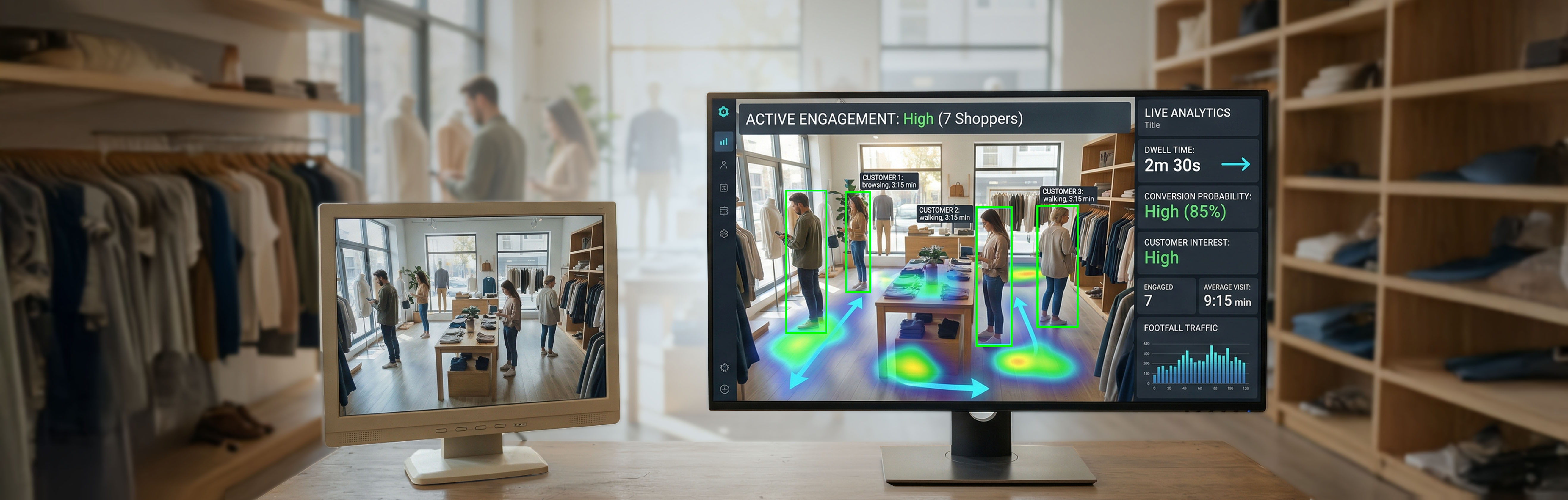
The advent of AI and computer vision technology has transformed CCTV systems into platforms that give machines the ability to analyze visual information; allowing marketers to create more revenue streams across a variety of verticals.
A logical inquiry that presents itself is, what do these retail video analytics solutions encompass and how do they correlate to business values?
In an effort to clarify, this guide will explore how retail Video Analytics Solutions are developing and how they differ from traditional analytic approaches; in addition to the impact they will have on the future of business intelligence. Integrating these systems with pre-existing systems can be challenging but having the proper architecture helps in this process; once you have implemented your solution, it will expose a wealth of information that is available for use in deriving actionable insights.
What Are Retail Video Analytics Solutions?
The CCTV video analytics system will be installed on your store cameras to convert the recorded video into useful data like visibility on the number of people entering or leaving a store; time spent interacting with the product displays including the most popular products and what items are being taken off the shelf and then returned to the shelf. In modern retail video analytics solutions, artificial intelligence (AI) and predictive analytics are applied to analyze video images and reveal individual actions on the basis of identified objects and images on several video sources.
The data obtained via the intelligent video analytics software might offer a number of useful insights, such as:
Dwell time: Helps know the duration of time the customers spend in a certain location, which may help them improve the store setup and the location of items.
- Pass-through rate: The rate of movement through an area, that is, it gives good information on dealing with traffic flow or on the design of urban areas.
- Recognition of features: This enables the system to identify suspicious activity or potential threats, and enhance security.
- Classification: Objects Can be classified in order to identify anomalies or defective objects in the course of monitoring.
No matter the method of its application, the overall advantage will be increased operational efficiency, immediate insights, and more informed decision-making based on AI-driven analysis.
Breaking Down Retail Video Analytics Solutions Using the JARVIS Model
To see how CCTV video analytics supersedes traditional systems, it is worth considering the system in layers since each one is built on the other:
1. Data Capture Layer (Current CCTV Infrastructure)
The bottom layer that comprises the system will be the same and that is your current cameras. They will serve as real-time sources of data that will record the images of your current CCTV cameras.
2. Processing Layer (video management system + AI engine)
Processing Layer and the Video Management System produce the final product through its intelligent video analytics software. This will determine patterns and other objects and behaviours in real-time.
3. Machine Learning (100 or more Data Points in Use Cases)
The processed video is then translated into actionable insights that can be applied to the store by the teams because they know how the customers move around the store, the variation of the footfall with time and where operational friction begins to develop.
What it will Analyse-
- Movement, engagement, and dwell time of the customers.
- The footfall, visitor trends and correlation to conversions.
- Wait time estimation and queue detection.
- Simple profile of customers including frequent visitors.
4. AL (Real-Time Decision Triggers)
After conducting this analysis, the system will transform these patterns into the real-time signals such that the teams will be in a position to act upon situations as they occur or emerge. It may be as simple as Queue build-up to staff deployment alerts.
5. Multi-Store Visibility (Central Intelligence Layer)
In case of business with several stores, all the stores are virtually unified to show data. This assists in comparison and consistent decision making in business.
- All-location centralized dashboard.
- Uniform measures of regular reporting.
- Comparison and benchmarking of cross-stores.
- A network view rather than local business intelligence.
What Are the Benefits of Retail Video Analytics Solutions?
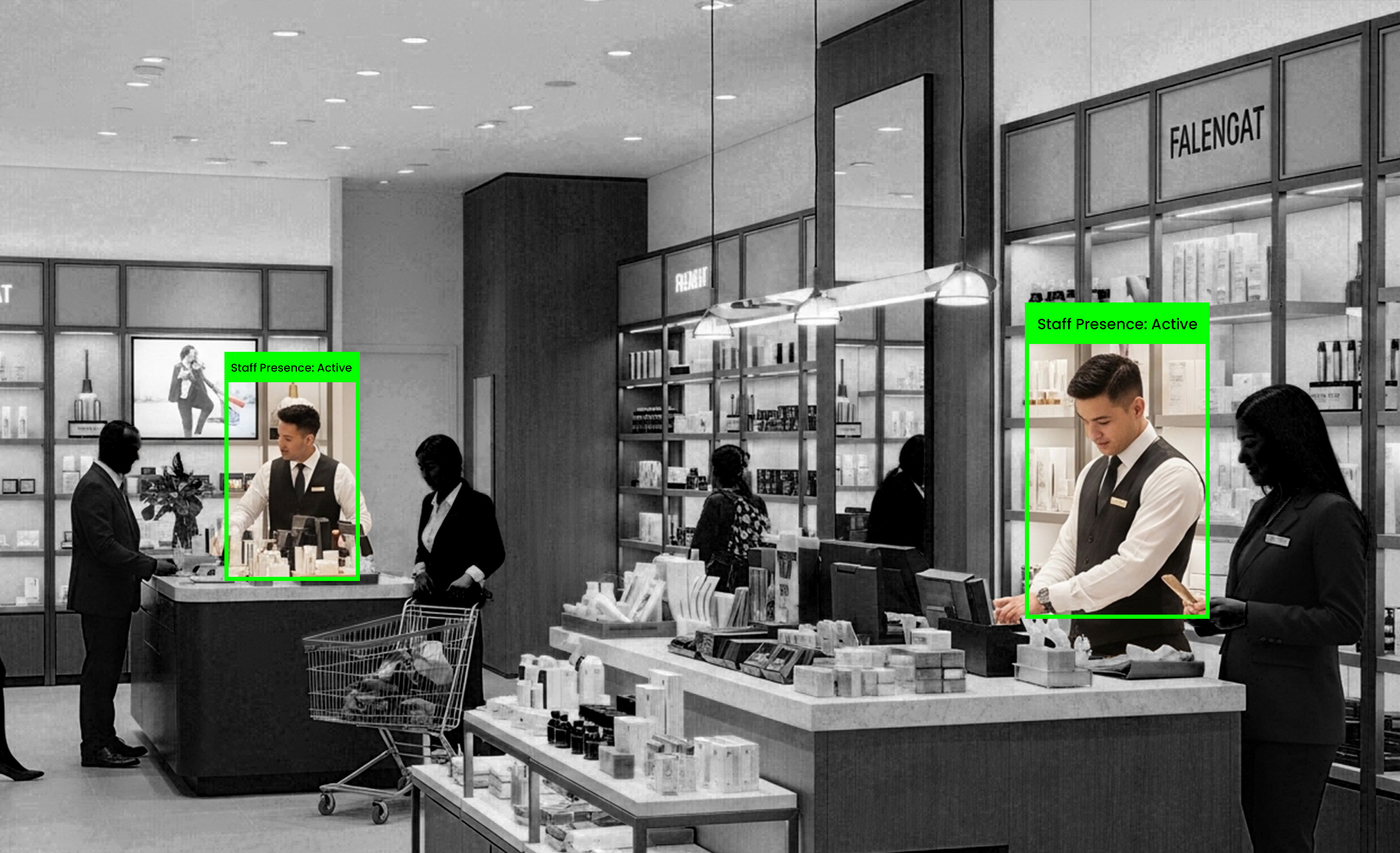
The development of computer vision, AI, and edge computing has contributed to the fact that CCTV video analytics are more precise and efficient than ever before. Due to this, their presence in the industries has increased. The following are some of the most notable applications of retail video analytics solutions that are currently being felt:
Business automation: Extraction of useful business data in video footage has been a manual process that has been very slow. The alterations to intelligent video analytics software include the ability to automatically collect data, which is why business organizations can now get access to valuable information as it develops.
Better business intelligence: Video analytics systems are machine-based learning models that can process and analyze data on a significantly greater depth than their predecessors. Since it is possible to follow the trend of activities, create heatmaps and dashboards, these tools will assist in creating a more comprehensive and detailed overview of operations over time.
Retail video analytics solutions: Opportunity for New Business Value
Deloitte’s latest retail outlook suggests nearly half of executives say outdated tech is holding back fresh ideas. Thus the more promptly you will be able to adjust to new technologies the more likely you will be to begin to notice some improvement.
In a sense, CCTV video analytics opens up the avenue of growing opportunities to business. By using video analytics with IoT, cloud, and edge computing, organizations can be more adaptive, establish more data relationships, and use the existing data more efficiently.
Although there has been some resistance to the use of intelligent video analytics software, as the ethical considerations of privacy rights and consent (along with the duty of using the data) are brought up, the implementation of such technology is bound to gain traction again as soon as companies will start to concentrate on developing ethical AI.
Engaging with an experienced video analytics provider assists organizations with the successful transition to ethical AI by providing them with both innovative and responsible video analytics solutions while obtaining positive ROI.
Make Every Camera Count with Jarvis
Although the old camera systems did a good job of accomplishing the intended purpose, retail has evolved tremendously since that time and so have the requirements of the camera systems. CCTV video analytics on retailing systems provide real-time statistics, which can be taken into action..
If you want to improve how well your stores respond to customer demand, increase their productivity through data-driven decisions, or simply gain an understanding of what your current video system is really capable of doing, then you need to explore JARVIS and discover how to transform your current videotape footage into valuable information that will help you grow your business. Explore JARVIS and start turning your existing video into measurable business impact.
FAQ
What is JARVIS by Staqu and how does it help retailers?
JARVIS by Staqu is an AI-powered video analytics platform that transforms standard CCTV systems into intelligent business tools. It helps retailers track customer behaviour, monitor store activity in real time, and improve operational efficiency through actionable insights.
2. What is the difference between traditional CCTV and AI-based video analytics?
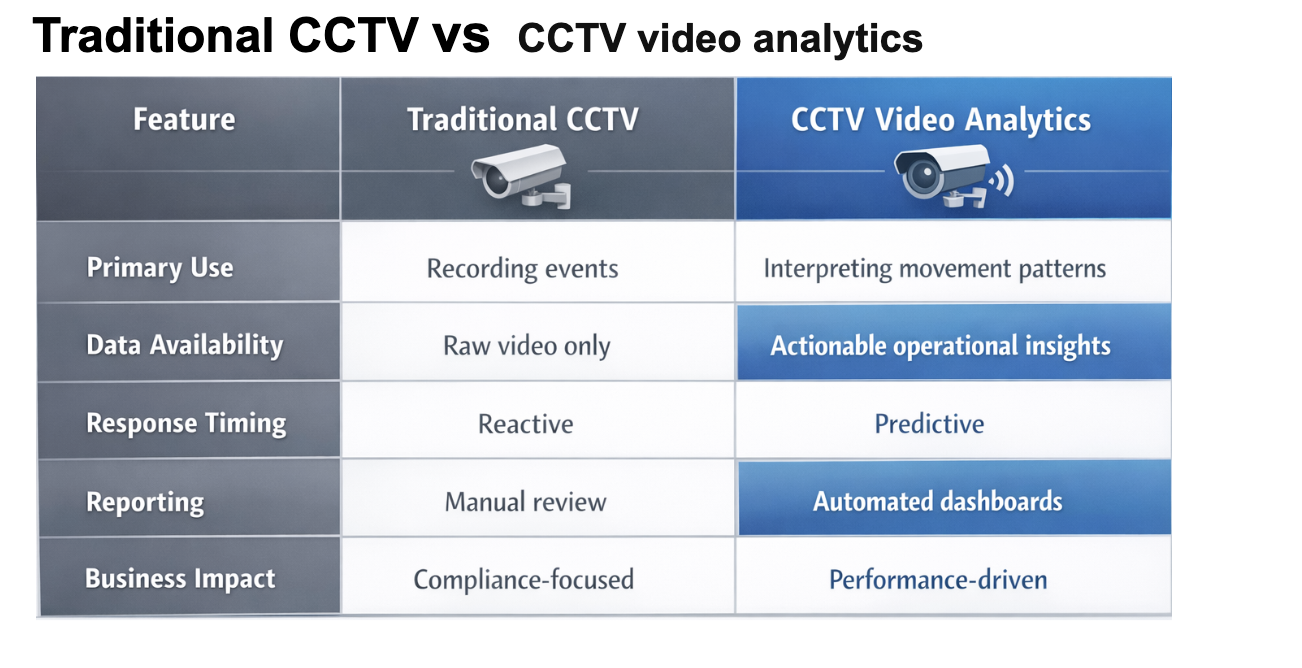
Traditional CCTV systems are limited to recording footage for later review, while AI-based video analytics interprets video data in real time. This enables retailers to gain insights into customer behavior, detect anomalies instantly, and make faster, data-driven decisions, turning surveillance from reactive to proactive.
3. How does retail video analytics help improve store performance?
Retail video analytics help identify bottlenecks, optimise staff allocation, reduce wait times, and highlight high-performing areas. This leads to smoother operations and improved conversion rates.
4. Can video analytics help manage multiple retail stores?
Yes, JARVIS by Staqu provides a centralised view across multiple store locations. This allows businesses to compare performance, standardise operations, and make more consistent, data-driven decisions across stores.
5. How do retail video analytics solutions help increase revenue?
Retail video analytics solutions, including JARVIS by Staqu, improve revenue by optimising store layouts, reducing wait times, improving staff allocation, and identifying high-performing areas. These insights contribute to better customer experiences and higher conversion rates.