Automatic Number Plate Recognition System for Smart Facilities | India, USA & UAE

Every large facility has one thing in common: vehicles are always moving. Employees arrive at shift changes. Delivery trucks come in on tight schedules. Visitors need quick access. In manufacturing units and warehouses, delays at the gate can disrupt dispatch timelines and daily operations. Now imagine managing all of that manually. A guard checks each vehicle one by one. Visitors wait for approval. Parking teams try to estimate available space. Delivery vehicles start forming queues outside the gate. For years, this was normal. Today, it creates unnecessary delays, security gaps, and operational headaches. This is exactly why businesses are adopting a automatic number plate recognition system.
What started as a vehicle identification tool has become an important part of modern facility management. Businesses across India, the USA, and the UAE now use AI-powered systems to automate vehicle access, improve parking management, and strengthen security.
The goal is simple: move faster, work smarter, and reduce manual effort.
What Is a Number Plate Recognition System?
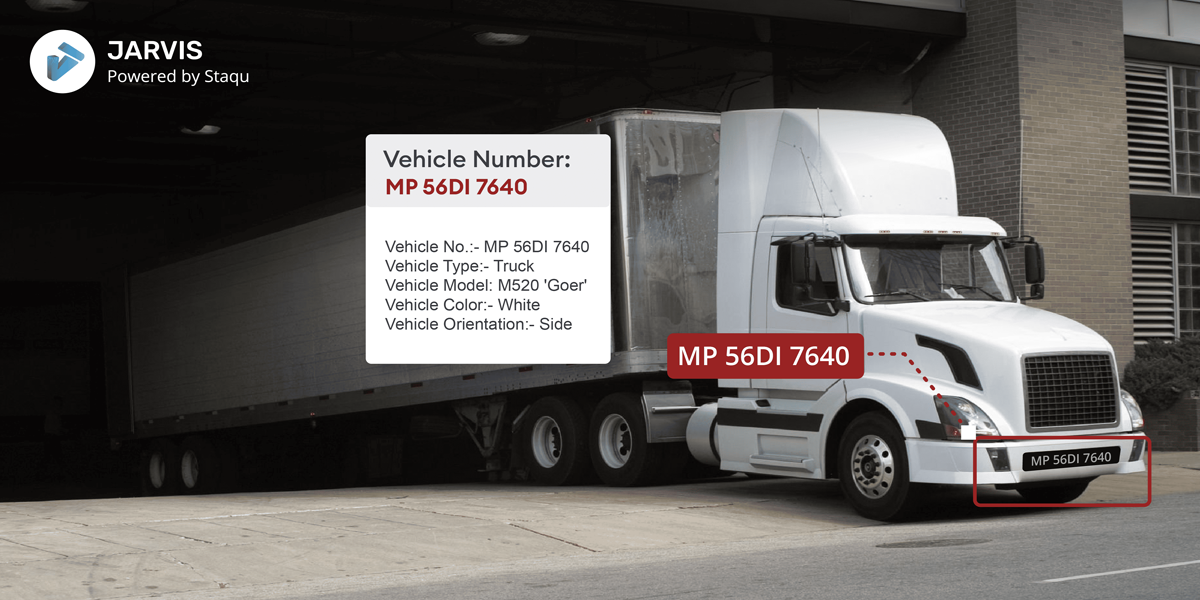
A automatic number plate recognition system, also called an ANPR system (Automatic Number Plate Recognition), automatically reads vehicle registration numbers using cameras. AI, and OCR technology.
When a vehicle approaches an entry point, the system captures the number plate, reads it instantly, and checks it against approved records or security databases. Based on the result, it can allow entry, deny access, trigger alerts, or update parking information. The process happens in seconds, but the real value goes beyond access control.
Modern automatic number plate recognition software helps businesses understand how vehicles move across a facility. It can show how long vehicles stay, where congestion builds, which gates are busiest, and whether suspicious vehicles are attempting entry.
That makes a number plate recognition system more than a security tool.
It becomes a smart operations tool.
Why Manual Vehicle Management No Longer Works?
Traditional vehicle management worked when facilities were smaller and traffic was easier to manage. That is no longer the case. Today, enterprise campuses, industrial facilities, warehouses, logistics parks, hospitals, airports, shopping centers, and drive-thrus handle constant vehicle movement.
Manual systems struggle under this pressure.
Delays at Entry Points
A single vehicle check may seem quick. But when multiple vehicles arrive at once, delays build fast. Employees get late, visitors wait longer, delivery schedules shift and security teams get overloaded.
In warehouses and manufacturing units, even a short delay at entry can affect loading schedules, dispatch planning, and production movement. What begins as a small delay becomes a larger operational issue.
Parking Becomes Harder to Manage
Parking is another hidden challenge. Without live updates, teams often rely on manual estimates. Drivers spend time searching for parking, teams scramble during busy hours and congestion becomes harder to control.
This wastes time and affects the overall experience.
Security Gaps Increase
Traditional CCTV records footage, but it does not actively help teams make decisions. A suspicious vehicle may enter unnoticed unless someone is actively watching the screen, that creates security risks.
Modern facilities need systems that can detect, alert, and respond in real time.
Why India Is Adopting Number Plate Recognition Systems Faster?
India’s infrastructure is growing quickly. Smart cities, enterprise parks, manufacturing units, warehouses, airports, hospitals, industrial zones, and logistics hubs are expanding across the country.
More growth means more vehicle movement. More vehicle movement means more pressure on facility teams.Manual vehicle verification does not scale well.
Take a manufacturing unit, for example.
Supplier vehicles, employee vehicles, transport fleets, and visitor traffic may all arrive throughout the day. If each vehicle requires manual verification, delays become unavoidable.
The same challenge exists in warehouses.
A delayed truck can affect dispatch timing. A blocked entry gate can slow loading operations.
A number plate recognition system helps solve these issues by automating vehicle checks and improving visibility. Instead of relying on manual processes, teams can move faster with better control.
That is why adoption is accelerating.
Why the USA Is Moving Toward Smarter Vehicle Access?
The USA faces a similar challenge at a larger scale.
Corporate campuses, manufacturing plants, warehouse networks, hospital groups, airports, universities, and logistics centers manage thousands of vehicle movements every day.
The issue is not only volume. It is disconnected systems.
Parking often works separately from access control. Visitor approvals happen through different workflows. Security monitoring sits elsewhere. This creates friction.
A modern ANPR system helps bring everything together. Employees can enter without delays, visitors can be pre-approved, deliveries can move through faster and more importantly, facility teams get real-time visibility. They can quickly see where traffic is building, how parking is being used, and where exceptions need attention.
This helps teams make better decisions faster.
Why the UAE Is Investing in Smarter Facility Operations?
The UAE is known for smart infrastructure and modern facility operations. From airports to commercial towers to business parks, speed and convenience matter.
Manual gate checks create friction that does not match modern expectations.
Long vehicle queues affect visitor experience, parking confusion creates frustration, delayed security responses create unnecessary risks.
AI-powered number plate recognition systems solve these problems naturally. Facilities can automate access while improving control and visibility at the same time.
The UAE is already embracing that shift.
Why JARVIS by Staqu Technologies Stands Out?
Not every automatic number plate recognition system works the same way. Some systems simply read a number plate and open a barrier. That helps with access, but it does not solve bigger operational challenges.
JARVIS by Staqu Technologies takes a smarter approach.
Instead of only identifying vehicles, JARVIS helps businesses understand vehicle movement across the entire facility. This means teams can improve access control, parking efficiency, and security from one platform.
That matters even more for businesses managing multiple locations.
Faster Access Without Manual Delays
Vehicle access should be fast and simple.
With JARVIS, approved vehicles can be recognised automatically. Employees do not need access cards, security teams do not need to manually verify every vehicle, visitors can be approved before arrival, making entry smoother and faster.
This reduces waiting time and improves traffic flow.
Better Visibility Into Parking Operations
Parking often becomes a daily challenge in busy facilities. Without clear visibility, teams end up reacting instead of planning.
JARVIS helps managers see parking activity in real time. This makes it easier to manage congestion, improve space usage, and reduce delays.
For manufacturing sites and warehouses, this visibility helps keep transport movement organised and efficient.
Stronger Security Monitoring
Security teams cannot manually track every vehicle at all times. JARVIS helps by identifying unusual or flagged vehicles instantly. Instead of depending only on recorded footage, teams can respond in real time.
This improves awareness and reduces response time.
One Dashboard for Multiple Facilities
Many organizations operate across several locations. Managing each one separately creates complexity.
JARVIS solves this by giving teams one central dashboard.Whether the business manages offices, manufacturing units, warehouses, hospitals, logistics hubs, or retail facilities, teams can monitor everything in one place.
This improves consistency, saves time, and makes operations easier to manage.
Which Company Provides AI-Powered Number Plate Recognition Systems in India, USA, and UAE?
Businesses increasingly look for AI-powered vehicle intelligence, not just number plate detection. They need systems that help with access, parking, security, and visibility.
JARVIS is built for exactly this need. It helps organisations move beyond traditional access control and build smarter facility operations with AI-powered automation.
Conclusion
Facility management is becoming smarter and more connected. Across India, the USA, and the UAE, businesses are replacing manual vehicle processes with intelligent systems that improve access, parking, and security. JARVIS helps make that shift possible with an AI-powered automatic number plate recognition system built for modern facilities.
Frequently Asked Questions
1. What is a number plate recognition system?
A automatic number plate recognition system automatically reads vehicle registration numbers using AI, cameras, and OCR technology. JARVIS by Staqu Technologies uses this technology to automate access and improve facility operations.
2.What is ANPR technology used for?
ANPR technology helps businesses automate vehicle access, visitor verification, parking management, and security monitoring. JARVIS helps facilities manage all of this through one intelligent platform.
3.What is automatic number plate recognition software?
Automatic number plate recognition software identifies vehicle plates automatically from live or recorded camera feeds. JARVIS provides enterprise-ready software built for smart facility management.
4.How is JARVIS different from traditional ANPR systems?
Traditional systems mainly detect number plates. JARVIS software goes further by combining vehicle access automation, parking visibility, security alerts, and centralized monitoring.
5.Can JARVIS support multiple facilities?
Yes. JARVIS helps organisations monitor multiple locations through one central dashboard.