US Restaurants Are Bleeding Money Every Month, and Most Owners Have No Clue
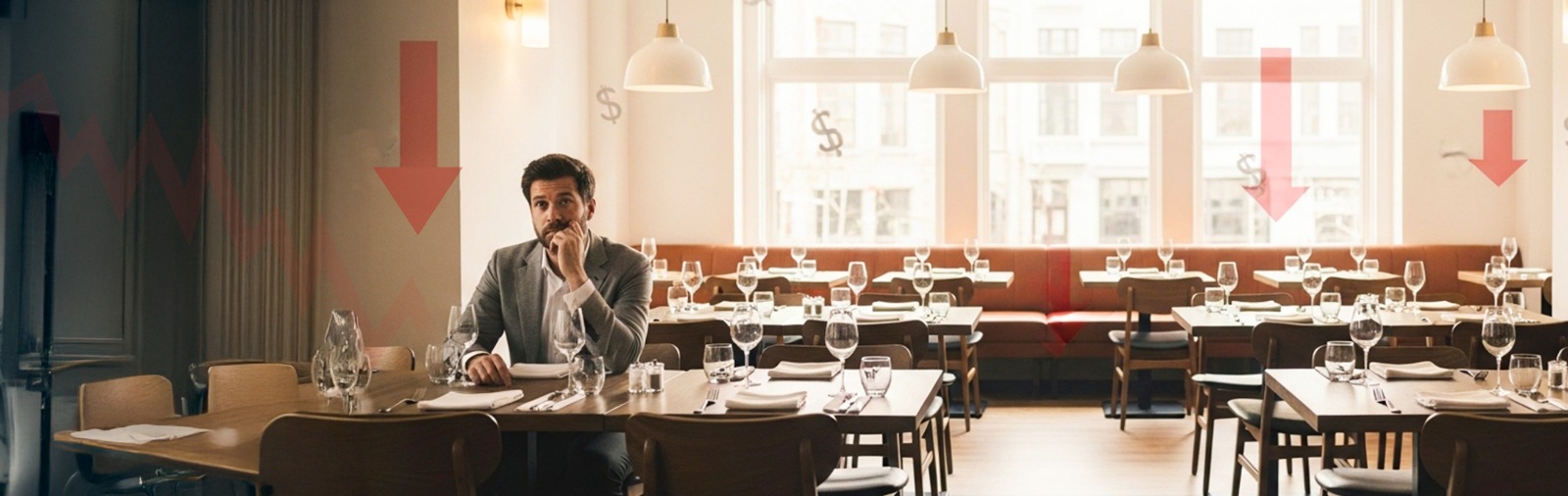
According to data from the National Restaurant Association along wit͏h surveys of restaurant owners from late 2025, In the US, the average full-service restaurant in the US runs on profit margins of roughly 3 to 5 percent to operational inefficiencies. Even though sales are way up, over $1.6 trillion total, many owners are still seeing their profits getting lower and lower each month. This numbers might look good, but the cash seems to disappear at the end of the day. The overall deduction is that most owners lack and clear and in real-time view and do not know what is really happening inside their business.
To tackle these operational inefficiencies, in the last few years a new AI-enabled video analytics and video analytics for retail solutions like Jarvis have emerged. But before we dive into how these technologies improve operational efficiency, it is important that first one understands the specific issues that fall under this broader category of “operational inefficiencies” that has got US Restaurant owners secretly losing their money.
Unregulated Employee movements
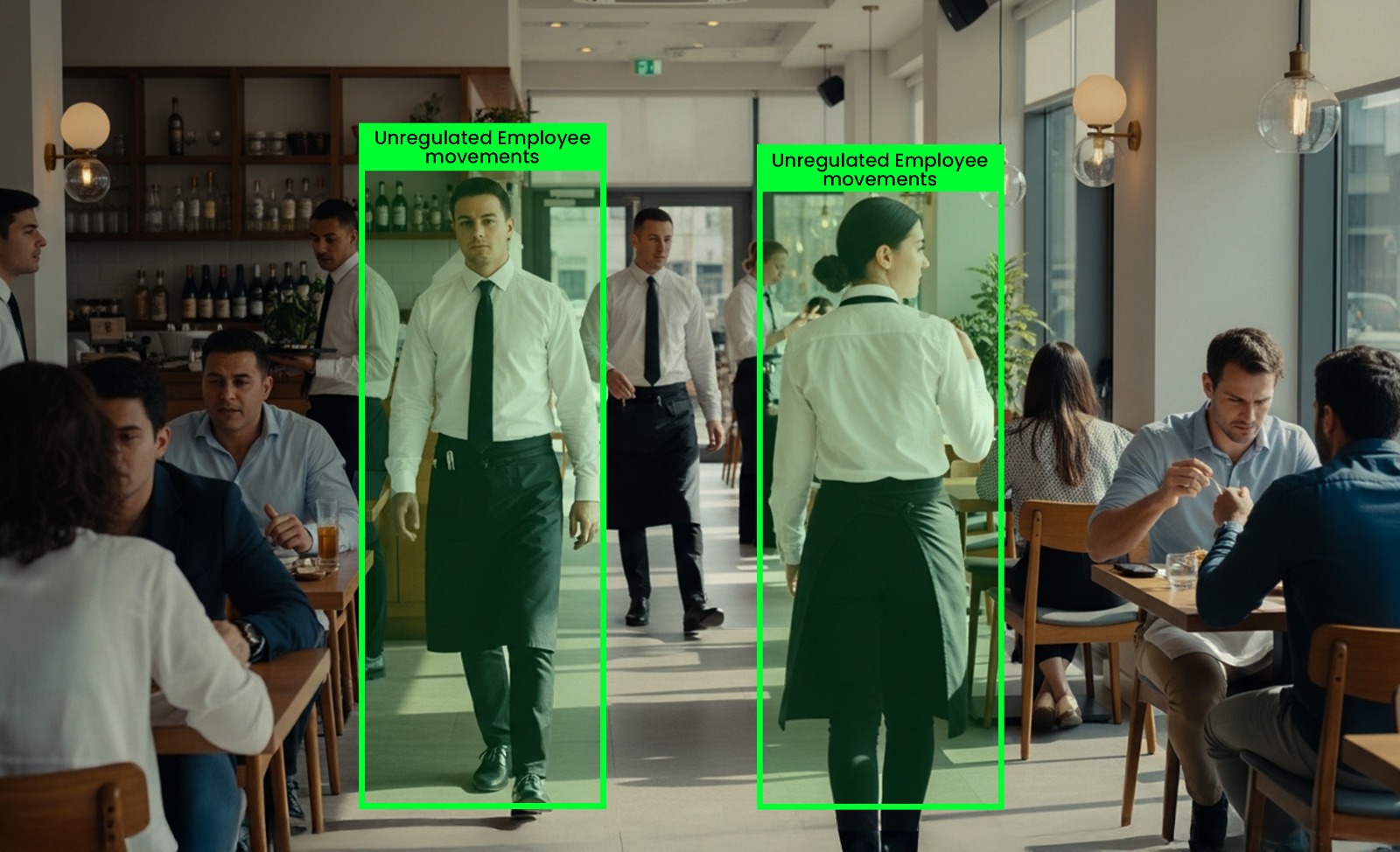
The biggest problem that nobody really talks about are unregulated employee movements. Estimates say employee issues account for about 75 percent of all lost inventory for restaurants. Across the country, that adds up to about $6 billion lost from restaurants every year. For fast food places, in some situations, theft can wipe out as much as 7 percent of sales. Little things like skimming cash, giving away food, and just taking stuff out the back add up real fast. Old-fashioned camera systems record everything, however, according to restroworks, it takes on an average 18 months to detect! But to help with the efficiency of checking faster, video analytics for retail has come up in the last few years. It is an ai-enabled video analytics that give gives you real time triggers on suspicious movements in the store.
Labour Mismanagements during the peak and low hours
First of all, labor costs are not helping matters either. Right now they eat up around 30 to 34 percent of all revenue, and for restaurants that offer full service, that number can easily hit 34 to even 36 percent. Restaurant owners, they are still setting up work schedules by looking at how things went last week, or sometimes just going with their gut feeling. What happens is you get too many staff during the slow times, and then not enough when it gets really busy. And so the payroll costs more, things slow down, and the customers just go order from some delivery app or head over to another restaurant. If your prime costs, meaning what you are spending on food and labor, starts getting above 60 or 65 percent of what you are bringing in, making any kind of profit becomes real hard. This makes footfall traffic analytics backed by AI-enabled video analytics very important for the restaurant owners to schedule the work hours by predicting the peak hours more accurately
Footfall Traffic Mismanagement
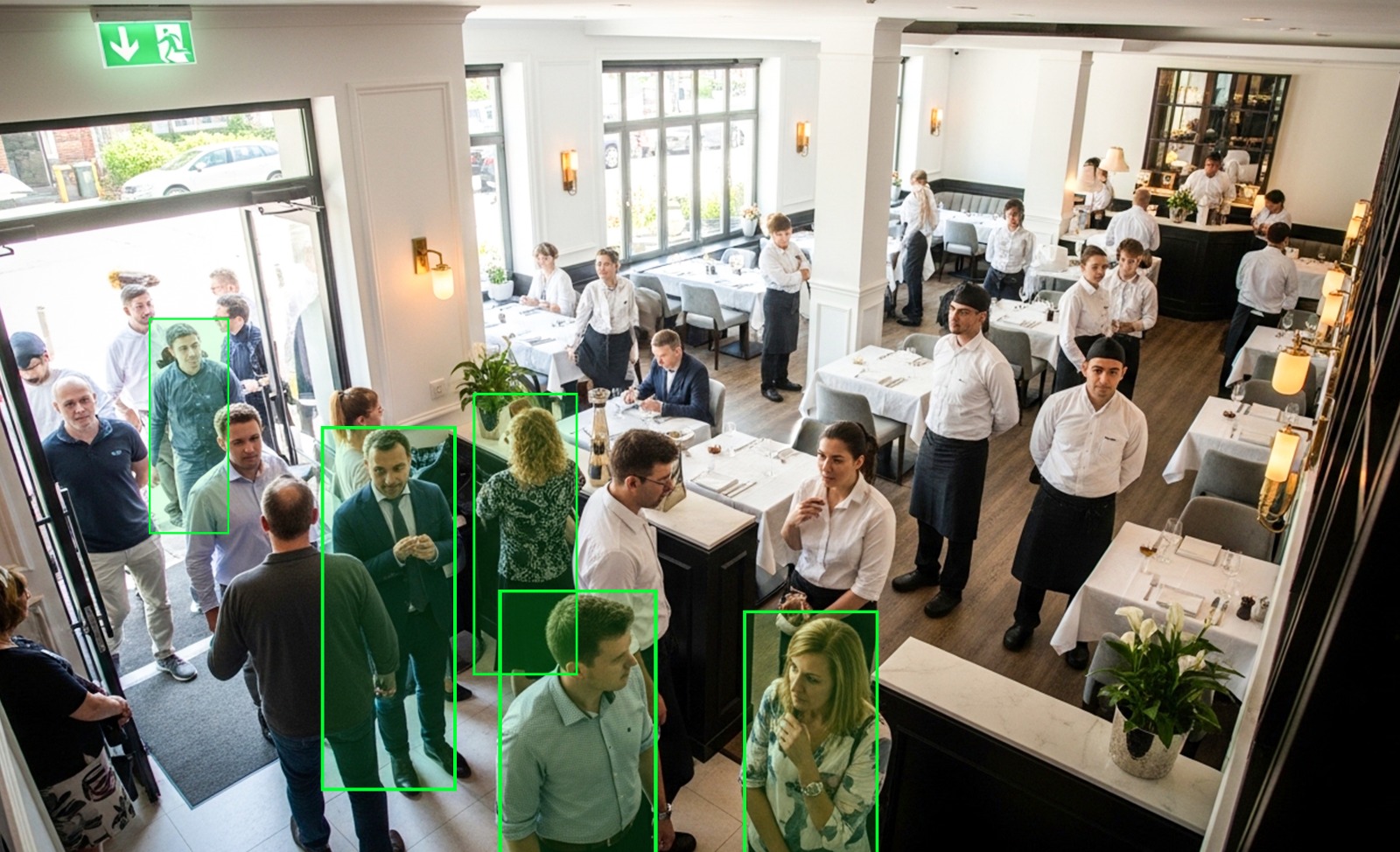
Having a footfall traffic analytics through video analytics for retail also helps with the another operational issue of lines and basically how people move through your restaurant, that is another big area where money is probably b͏eing lost. When people have to wait a long time to be seated, or get a drink, or pick up their order, a lo͏t of them will just leave, you know. A restaurant in Orlando that did a study and found out that if they could cut down waiting times during the busiest hours from almost 8 minutes to around 3 and a half, they could bring in an extra $1.75 million a year. Another suggest if you could get rid of those unnecessary waits altogether, you might be able to increase total revenue by close to 15 percent, just because tables are turning over faster and people are having a better experience. But most owners are still just watching what is going on or looking at reports later in the day. But, at that point, you already missed out. AI-enabled video analytics enables real-time visibility into queues and movement patterns.
Resource Miscalculations
Food waste from over-preparation, inconsistent portioning, and poor inventory tracking can easily add 4 to 6 percent to costs. Violation of safety compliance-related measures like a missed PPE check or a lapse in hygiene can attract fines and a bad reputation that can cost tens of thousands each time. There are also the problems of delivery drivers and unauthorized entry into restricted areas which further contribute to the friction. These problems are non visible unless there is granular and real time visibility, which will reveal the bad news until the monthly P&L is issued. The presence of an ai-powered video analytics makes the management of the resources much more efficient.
Now that we have touched down on where the US Restaurants are leaking money, let’s see how this video analytics for retail actually works to help with the operational inefficiencies. The complex but easy- AI enabled video analytics software is embedded in your regular CCTV cameras, which then provides you with real time insight as to what is occurring in your restaurant.
For restaurants, the video analytics for retail features hit directly on the biggest enemies of margin:
- Footfall traffic analytics measures the number of unique visitors per hour, day and month, eliminating the guesswork in favor of accurate traffic patterns.
- Queue management records the actual waiting time in each station and identifies bottlenecks to allow the managers to allocate staff immediately.
- Occupancy visualization presents heat maps of hot and dead areas or tables.
- The customer journey tracking is the tracking of movement in the entire space showing where the guests hang or leave lines.
- Smart menu timing and promotions are made possible by demographic analysis and face detection, which facilitate breaking down age and gender profiles of the crowd.
- Face recognition determines repeat or premium customers in real time, which enables personalizing service or activating loyalty without additional hardware.
There is more to it – JARVIS achieves 99.7 percent accuracy on facial recognition targets and has over 50 successful applications in the retail setting. Operators can get actionable insights which they can take action upon, rather than weeks after the shift. Chains such as Dunkin’ and Starbucks have already integrated similar video analytics for retail approaches for years. In a single, independent quick service, with similar AI enabled video analytics, theft detection saved over $60,000 in eight months, food expenses were reduced by more than two percentage points and delivery challenges were significantly reduced due to timestamped visual evidence. A different multi-location operator achieved 5 to 8 percent labor cost reduction by making schedules optimistic using actual footfall analytics information. When queue and occupancy insights were at work, Table turnover improved by 12 to 15 percent.
The change is providing the owners with the very same type of live dashboard that has been applied in successful chains over the years. With margins at 3 to 5 per cent. to halt even one or two points of leakage in theft, labour waste or wasted covers may convert an operation into red ink to healthy profit. A good number of independent owners are still left to work on their gut feeling. They are playing games of high stakes guessing games that have costly ingredients, money in payrolls, and customer goodwill.
That being there Owning Restaurant is accompanied with enormous responsibilities and equal portions of woes. And secret leakage is not an old one. But God (or man) has a way out to every problem, and the AI Enabled analytics solves a gigantic one, and more effectively than ever. This futuristic concept of video analytics for retail has now ceased to be one, becoming a reality of day-to-day operations.. The cameras you already have on your walls are smarter than their owners can imagine. The only question which remains unanswered is whether operators will continue to bleed month after another or will they ever begin utilizing the already captured data.
Restaurant operators who want to understand where profit leaks occur inside their stores can explore how JARVIS works in practice. Schedule a short demo with Jarvis to see how AI-enabled video analytics and footfall traffic analytics can start delivering insights within days.
FAQs
1. How does AI video analytics help reduce employee theft in restaurants?
AI video analytics monitors sensitive areas such as kitchens, stockrooms, and loading docks while generating alerts when suspicious activity occurs. Managers receive timestamped clips that make it easier to identify inventory losses and prevent repeat incidents.
2. Can footfall traffic analytics improve restaurant staffing decisions?
Yes. Footfall traffic analytics provides accurate hourly and daily visitor counts so operators can align staffing levels with real demand instead of relying on past trends or intuition.
3. How does queue monitoring increase restaurant revenue?
Queue analytics tracks wait times at host stands, pickup counters, and service stations. Alerts allow managers to intervene quickly, preventing long waits that cause customers to abandon lines or leave the restaurant.
4. Is AI face recognition legal for restaurants in the United States?
Most AI video analytics systems are designed to comply with privacy regulations by focusing on behavioral patterns and anonymized insights. Businesses can configure data collection policies to meet local privacy requirements.
5. What kind of ROI can restaurants expect from AI video analytics?
Most restaurants see measurable ROI within 4–6 months, driven by reduced theft, improved labor efficiency, faster table turnover, and better customer experience.